Demolition & Construction

Dust control for safer sites.

Dust created during construction and demolition has long been recognized not just as a nuisance, but as a legitimate hazard to both workers and the surrounding environment. The need to manage this dust effectively has evolved over time, especially as awareness around respiratory health and environmental impacts has grown. Historically, a simple water hose was often the go-to tool for dust control on these sites. Workers would use hoses to spray water over dust-generating activities, saturating materials in hopes of preventing dust from becoming airborne. But as the industry has learned, this method has considerable limitations and can introduce a host of other problems.

SAFETY INSIGHTS

Method matters.

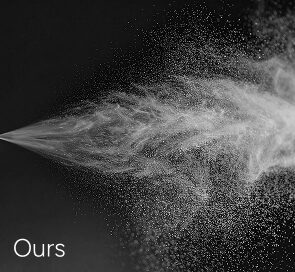
First, the mechanics of a water hose make it ill-suited for dust suppression. The large droplets produced by a hose create a slipstream effect, where the force of the spray actually pushes particles away from the mist. Rather than capturing the fine airborne dust, the water merely moves it around, failing to provide effective containment. For dust control to work, water droplets must be small enough to bond with the dust particles and bring them down to the ground. The larger droplets from a hose lack this necessary interaction with fine dust particles.

Safety matters.

Additionally, hoses require constant supervision. For dust suppression to be effective, a worker has to be on standby, manually spraying the area throughout the operation. This not only drives up labor costs but also exposes workers to the hazards of the active demolition zone. Construction sites are inherently dangerous, and placing an employee near heavy machinery or demolition activities to control dust poses serious safety risks. In fact, the costs associated with a manned hose approach go beyond labor expenses—potential injuries or accidents in high-risk areas can have significant consequences.

Make your site safer

“…hoses can quickly lead to pooling on the ground, creating muddy, slippery conditions that are problematic for both workers and machinery.”

Discover more

Runoff matters.

Another downside to using traditional hoses is the excessive water runoff they create. Because they release large volumes of water, hoses can quickly lead to pooling on the ground, creating muddy, slippery conditions that are problematic for both workers and machinery. This pooling not only disrupts the workflow but also has environmental repercussions. Many construction sites are required to adhere to strict environmental standards, particularly when it comes to runoff management. Excessive pooling can lead to contamination of local water sources and potentially result in regulatory fines. Complying with local environmental regulations and protecting the surrounding ecosystem has become increasingly important for companies, and water runoff from hoses can undermine these goals.

Find an

effective solution.

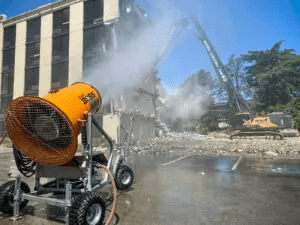
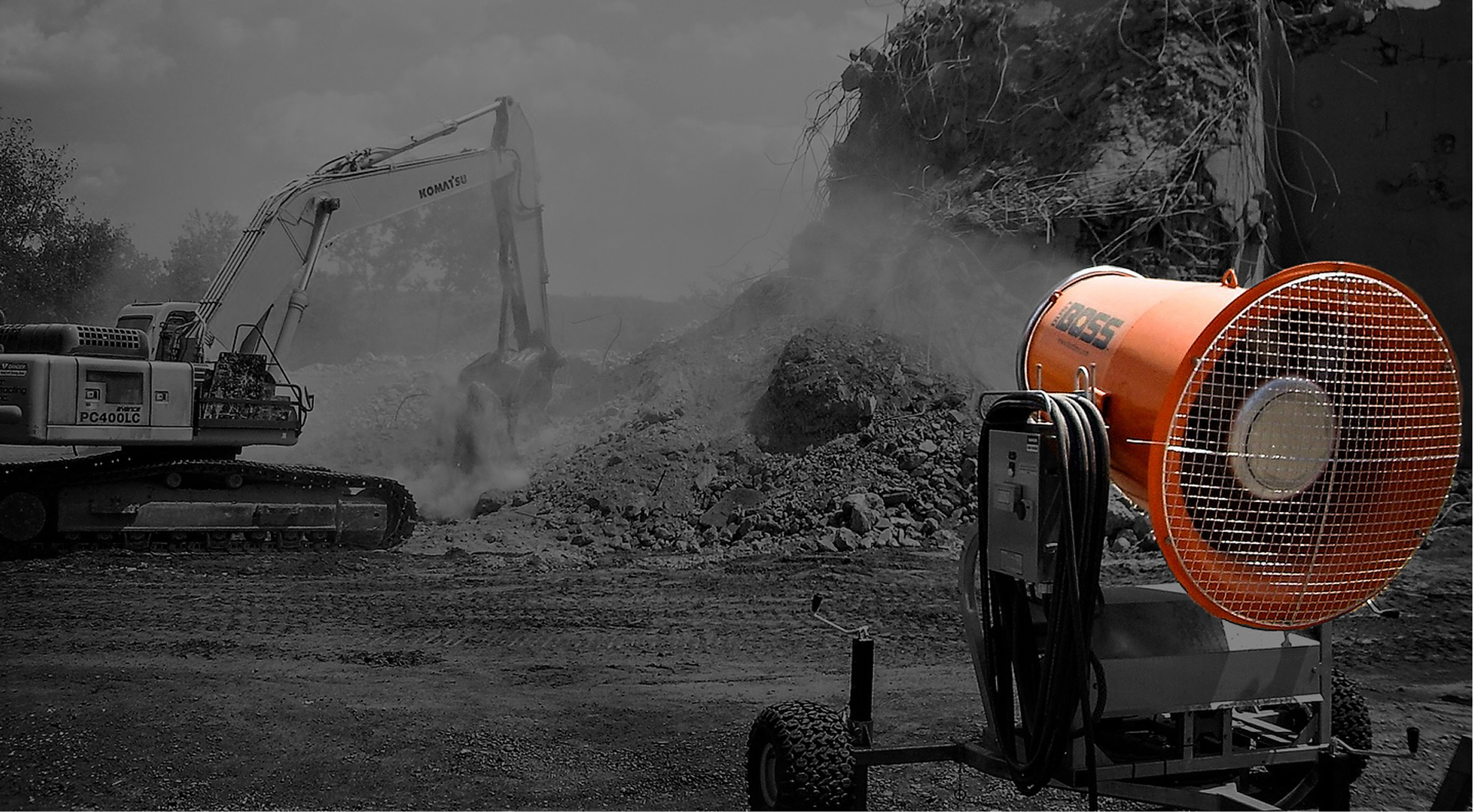
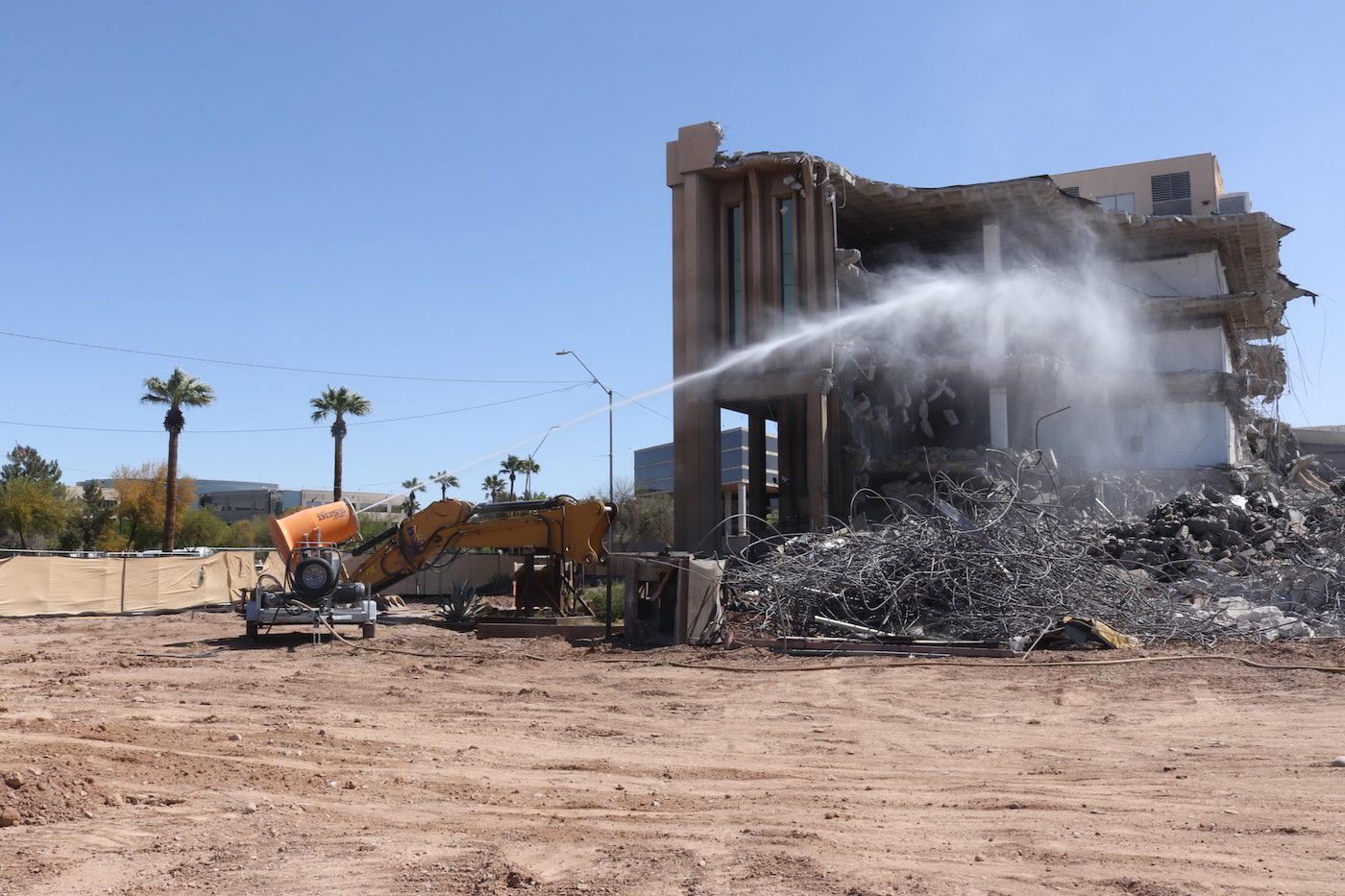
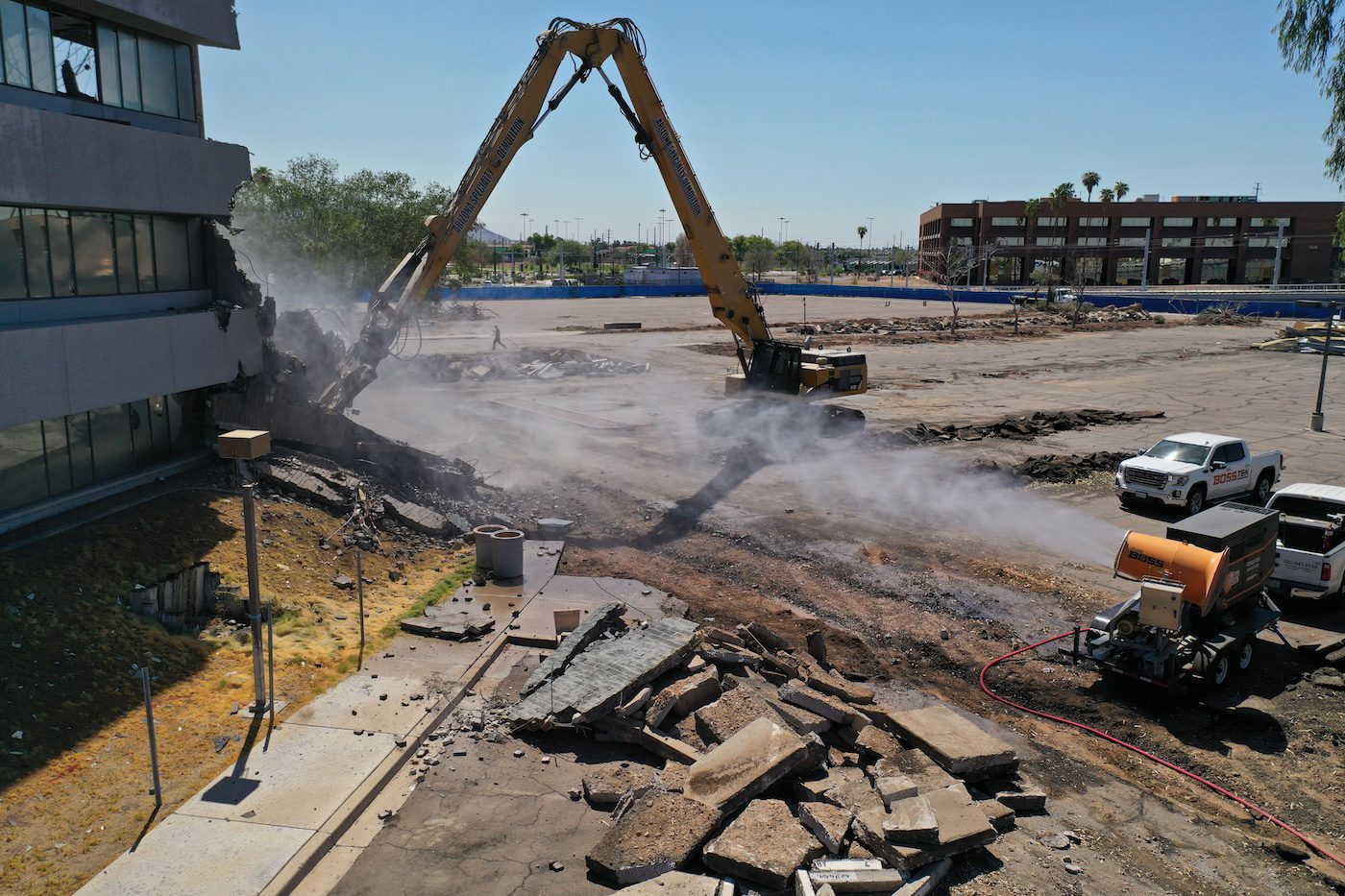
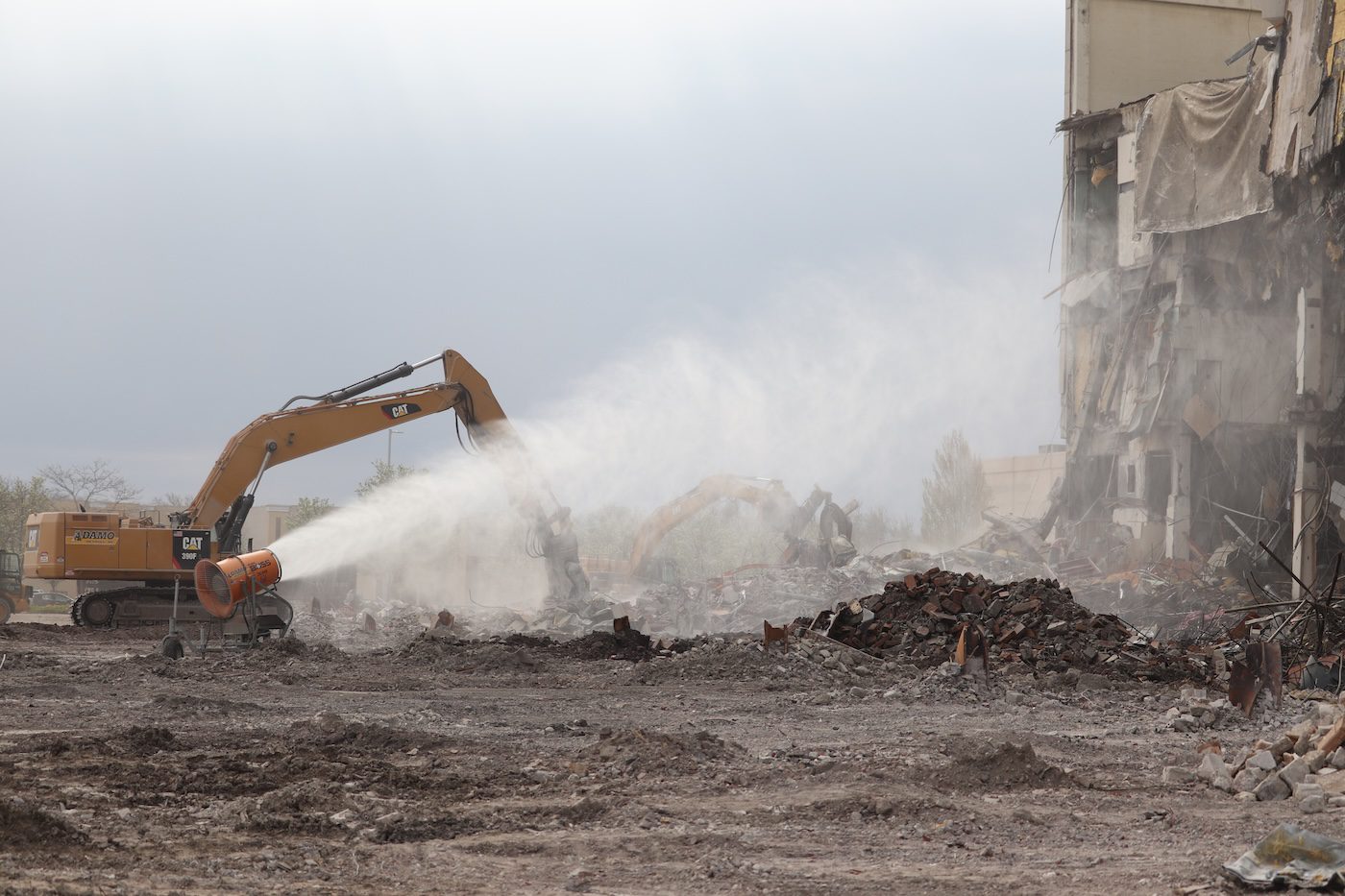
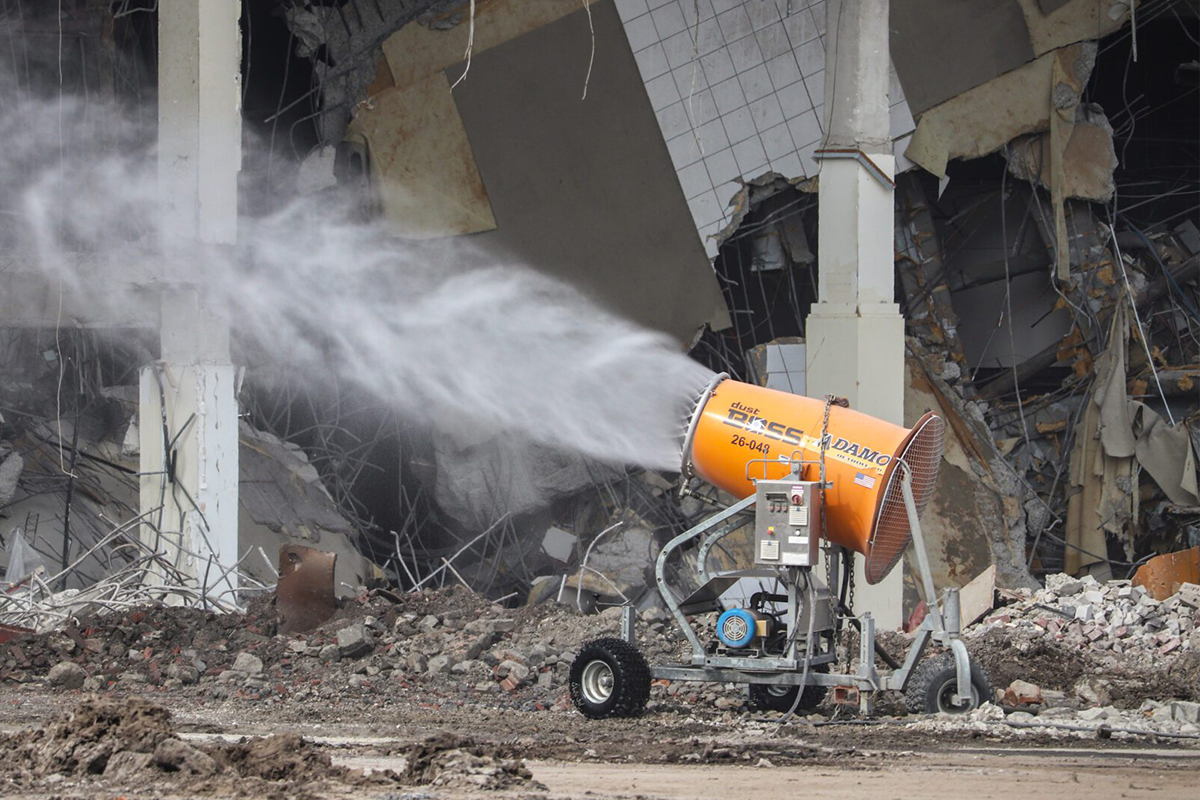
Recognizing these challenges, the industry has embraced advancements in dust control technology, allowing companies to adopt more effective and efficient methods. For over two decades, BossTek has been at the forefront of these advancements, providing innovative solutions to control dust in construction and demolition projects. Their flagship product line, DustBoss®, has become a trusted solution for dust control across jobsites worldwide. DustBoss® units utilize atomized misting technology to capture and contain dust at the source. This technology creates a fine mist of water droplets that bond with dust particles in the air, effectively bringing them down to the ground before they can migrate offsite. This not only keeps dust contained but also prevents it from posing a hazard to workers and the surrounding community.

SOLUTION INSIGHTS

Smarter demo starts here

Are you ready for cleaner, safer worksites?

Talk to a specialist about your next DustBoss.

Talk to a specialist